
What Salt Lake County Property Value Means
Value means different things in different records. The Assessor's market-value estimate backs the tax roll. The taxable figure applies the assessment ratio and any exemption. A sale price, by contrast, belongs to a deed. That deed carries a recorded date, terms, and parties. Salt Lake County property records can hold all three numbers for one parcel. So the label matters as much as the figure.
| Value Type | What It Means | Where It Is Recorded |
|---|---|---|
| Market or appraised value | Assessor's estimate of full market value for taxation | Assessor parcel record |
| Taxable value | Value after the applicable assessment ratio and exemption | Assessor and annual tax notice |
| Last sale price | Consideration shown for a particular transfer | Recorded deed or transfer instrument |
| Land and improvement values | Assessor's value components for land and structures | Assessor parcel details where displayed |
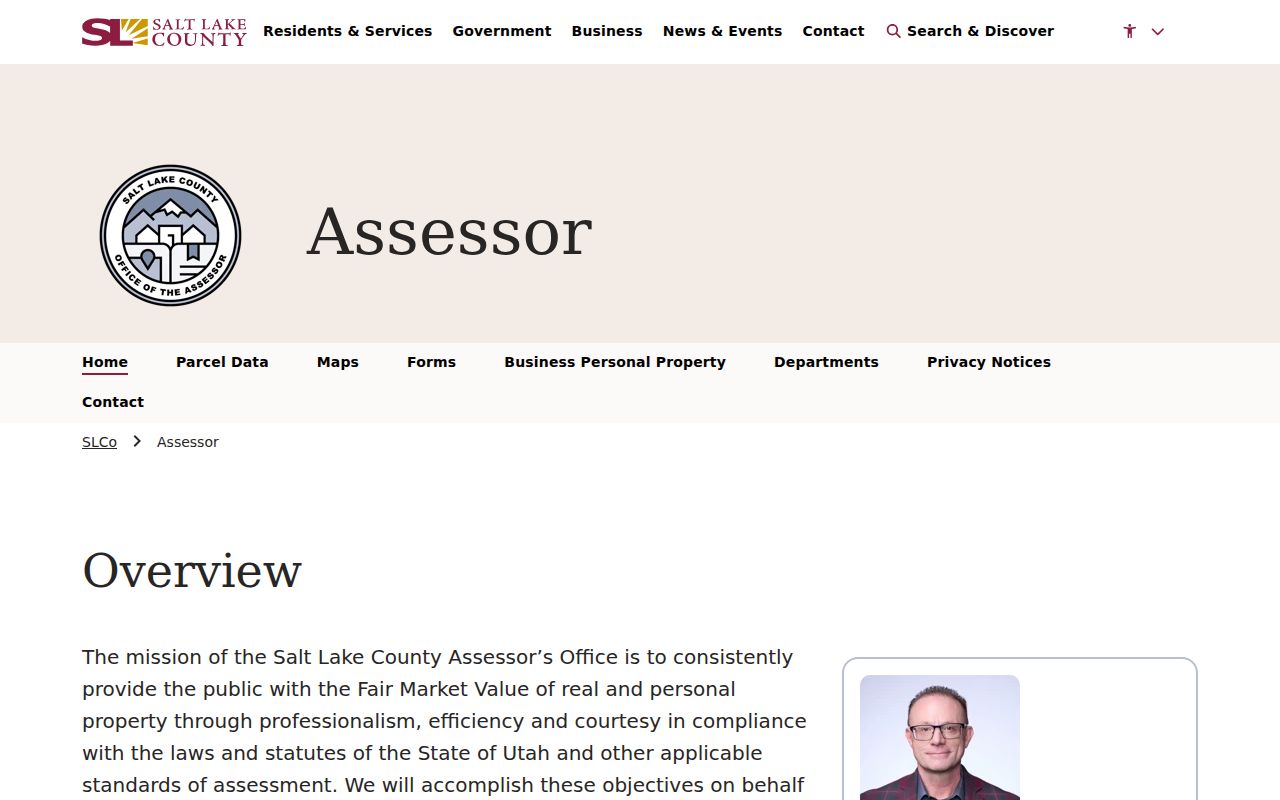
The Salt Lake County Assessor describes its fair-market-value role and public search tools.
Each value field belongs to one parcel and year. Read the field label and assessment year before comparing it with any other figure.
Find Assessed Salt Lake County Value
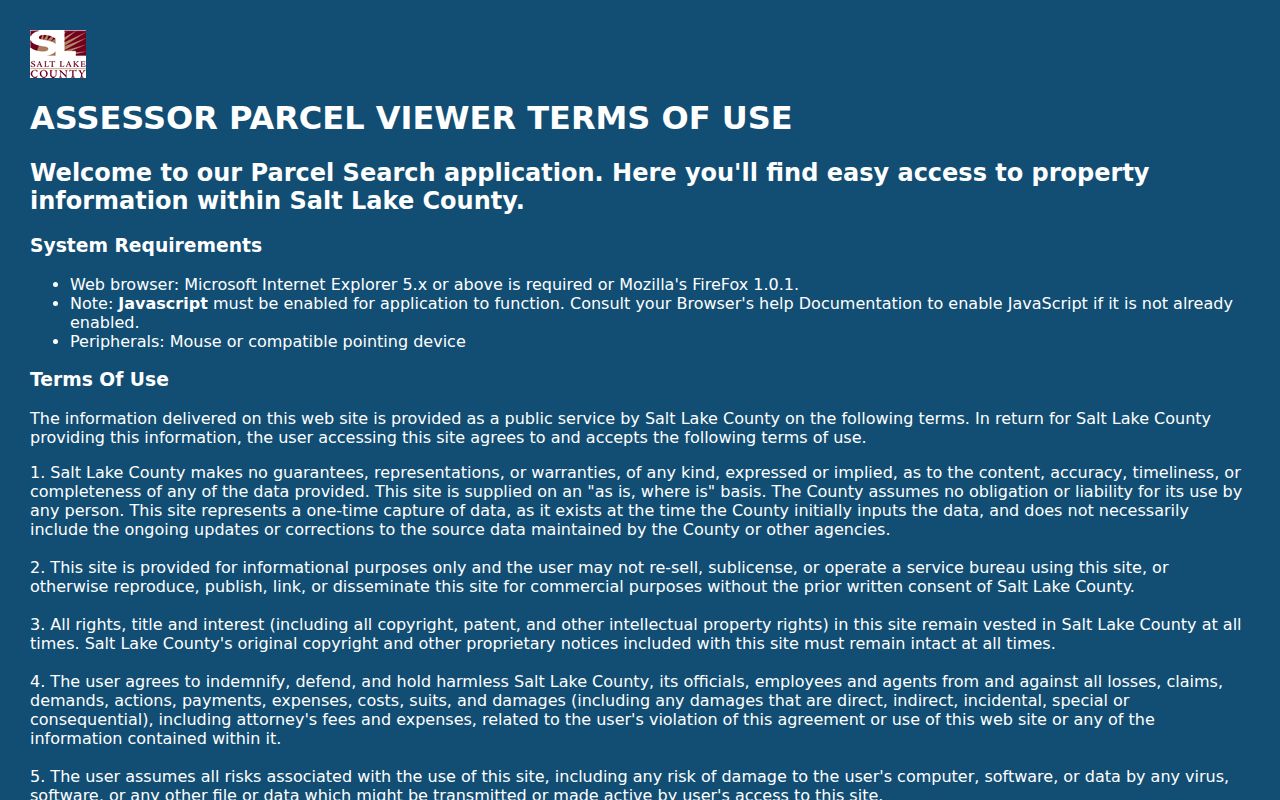
Start with the Assessor Parcel Search. Look up the parcel by address, owner, or APN. The newer portal suggests addresses as you type. Pick one from the autocomplete list and open the parcel card. Read the value fields on that record. Sometimes the full address gets fuzzy. The classic search helps there because it splits out frontage number, direction, street name, and type. The Assessor Parcel Viewer opens with a terms screen and a map-entry choice. Both routes reach the same parcel record.
Write down the full APN, the legal description, and the value year shown. The Assessor's parcel card is a tax record, not a contract. For filed sale terms, pull the Recorder instrument instead. For the amount due, rely on the Treasurer notice. Multiplying a visible value without the parcel's ratio, exemption, and district rate will mislead you.
Salt Lake County 55 Percent Assessment Ratio
Residential parcels in Salt Lake County are assessed at 55 percent of market value. Other property is assessed at 100 percent. That ratio is a tax rule, nothing more. It does not mean a house is worth 55 percent of its market value. It offers no promise about a sale price. The county applies it inside the assessment calculation. It is not a pricing opinion a buyer could use.
Here is the formula in practice. Taxable market value gets adjusted by the ratio and any exemption. The result is then multiplied by the parcel's district tax rate. That rate reflects approved budgets and the total tax base. A bill can change even when the Assessor's estimate barely moves. For the exact charge, the detailed tax notice is the right record.
The 55 percent level applies to full market value for homes. Other classes sit at 100 percent. Exemptions and the district rate then enter the formula. Assessed value, taxable value, and the amount due can all differ. The ratio is arithmetic, not an offer to buy a home at 45 percent off.
- Market value
- The Assessor's estimate of a property's full market value.
- Assessment ratio
- The percentage used to calculate the assessed amount for taxation.
- Taxable value
- The amount after the ratio and any applicable exemption.
- Sale price
- The consideration recorded for one transaction, not a general appraisal.
Salt Lake County Land and Improvement Values
A parcel record from the Salt Lake County Assessor can list land value, improvement value, and a total or taxable figure. Land means the parcel itself. Improvements are structures and other assessed additions. Together they show how the overall market value is assembled. They are not an independent appraisal of the house, and they say nothing about construction cost.
Compare fields from the same assessment year and the same parcel. If building details look wrong, the Assessor takes owner calls year round to correct factual characteristics or discuss valuation. Characteristics are reviewed once every five years. Market value, though, is appraised annually. That gap makes a factual correction worthwhile even when no sale occurred.
Keep land and improvement figures tied to their year. Do not blend them into one trend. New construction can lift improvement value while the land component follows a different path. No city-level trend table is published for these splits. Compare actual parcel values and relevant sales instead of stretching a neighborhood-wide change across one address.
Salt Lake County Recorded Sale Price
A deed captures one transfer at one moment. Its consideration or sale reference marks a past market point, not today's value. Parties, terms, timing, and condition all matter. A recorded price can predate the current assessment year. It may not even reflect an ordinary open-market sale.
The Salt Lake County Recorder's result lists instrument number, recording date, document type, and legal description. Those fields lead you to the right deed image. Remember, the public index is not the full instrument. Full images require Recorder Data Services access. Match the APN and legal description before comparing a deed price with the Assessor's figure.
A transfer price belongs to a single date. One day's index can hold several warranty deeds plus a later plat and amendment. The count alone says nothing about normal sales or current markets. Read the deed type and the image itself. Then set the recorded terms beside the Assessor's value year before drawing any conclusion.
Salt Lake County Appraisal Cycle
The Salt Lake County Assessor appraises values every year. Property characteristics get a full review once every five years. Neighborhood sales drive the market adjustments. One parcel can still move against its area trend. This can happen because of its land, improvements, location, or recorded features. A countywide price change should never be applied mechanically to a single property.
Setting matters too. Historic-district overlays, redevelopment areas, and canyon or foothill settings all shape a property. They shape how it stacks up against nearby sales. Salt Lake County publishes no city-specific revaluation effect or official neighborhood trend table. So rely on the parcel record, current comparable information, and the Assessor's process. Do not treat a neighborhood label as a value estimate.
The Wasatch Front changes fast. That makes the assessment year part of the value itself. The county's public portal warns that parcel information may be stale. The Recorder's public search can lag by 24 hours or more. Compare dates before joining a sale to a value field. An improvement or other property detail can look wrong. Ask the Assessor about a factual parcel correction in that case.
Salt Lake County Values and Tax Bills
Value is just one input to a Salt Lake County tax bill. The residential assessment ratio, exemptions, and the tax district's rate do the rest. A higher Assessor value will not raise the amount due by the same percent. The gap can be large. Read the annual notice for taxable value, tax codes, and entities. It also shows the certified rate and payment status.
Salt Lake County sends tax bills out in October. The November 30 payment date comes first. The County says an unpaid balance becomes delinquent January 1 after that date. Exemptions, delinquency, and appeal routes are covered with the Salt Lake County property tax records details. A value lookup is not a bill calculation.
Limits of Salt Lake County Assessed Value
An Assessor value is a mass-appraisal figure. It exists for taxation, not to certify what a buyer will pay, replace a licensed appraisal, or settle legal title. Sale prices and assessed values diverge. They describe different dates and purposes. No parcel map fixes exact lot dimensions or boundary corners.
Value is not an offer price. Use the Assessor figure to understand the tax record, a deed to review a recorded transfer, and a licensed appraiser for a property-specific market opinion.
A Salt Lake County value can look wrong. Check the parcel facts, the assessment year, and the comparable context first. Then contact the Assessor. The office can explain correction and appeal routes. A current tax bill and an old sale record make useful evidence. Neither substitutes for an appraisal.
The annual appraisal is a mass valuation for the county tax roll. A licensed appraiser can give a property-specific opinion. The Assessor can address recorded characteristics and its own valuation process. If the question is billing, compare the notice's taxable value, exemption, and district rate; if it is a past transaction, read the deed.